
Buncombe County Sex Offender Checks
The North Carolina State Bureau of Investigation registry overview identifies NCSBI as the agency that maintains the statewide public registry. Buncombe County's sheriff gathers and verifies local registration information, while NCSBI publishes the searchable state interface. The two roles work together. Start with the state registry for public results. Call the sheriff when a listing raises a local registration or compliance concern.
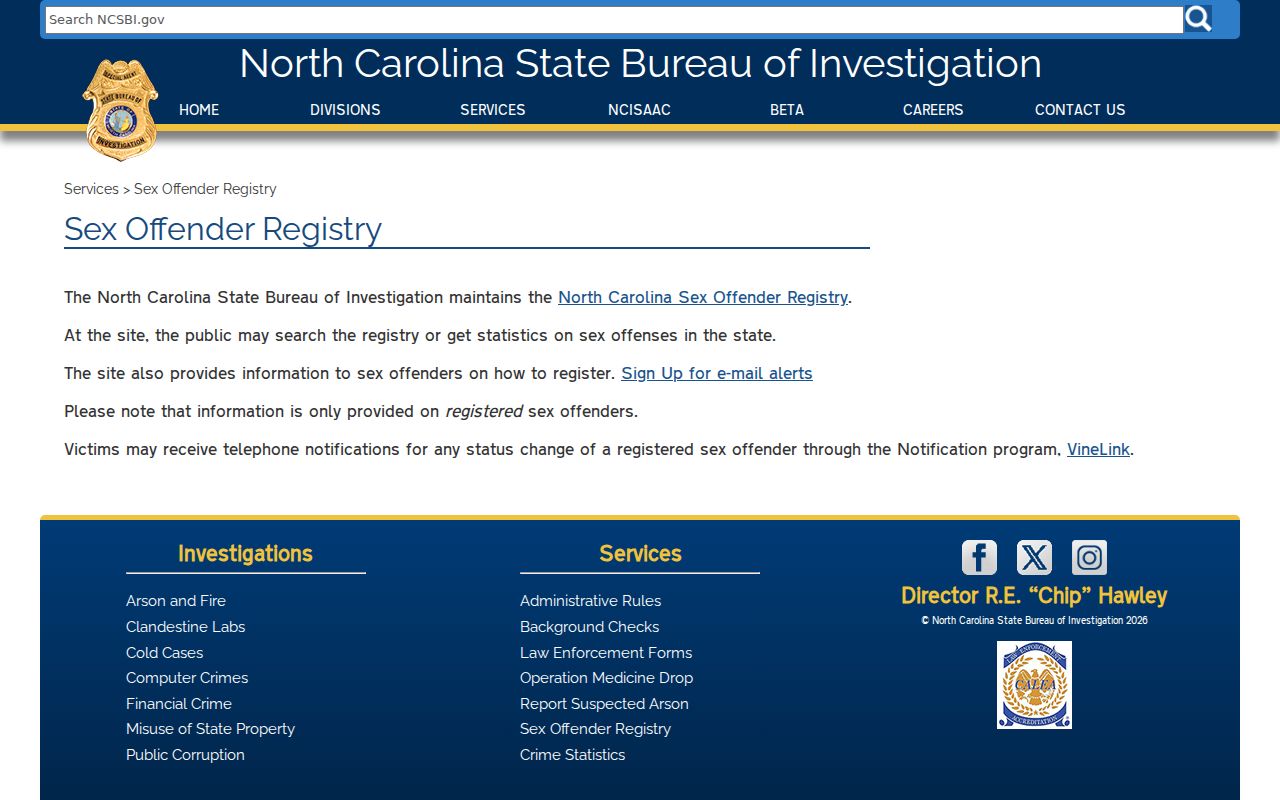
The overview places registry search, notification, and governing information in one official setting. It also warns that a public listing may not be fully current. A person absent from results may fall outside public registration rules, and a listed address may await verification. Do not treat either result as a complete safety finding.
Buncombe County Address Registry Searches
The registry's address workflow answers a different question from a name search. It finds registered addresses near a location entered by the user. That is useful for neighborhood awareness, a family safety plan, or checking an unfamiliar route. Enter the Buncombe County address as the portal requests it and choose only from radius options displayed live. The research could not reliably extract those changing choices, so no radius value should be assumed.
The official North Carolina registry search shows the acceptable-use gate and the available search routes.
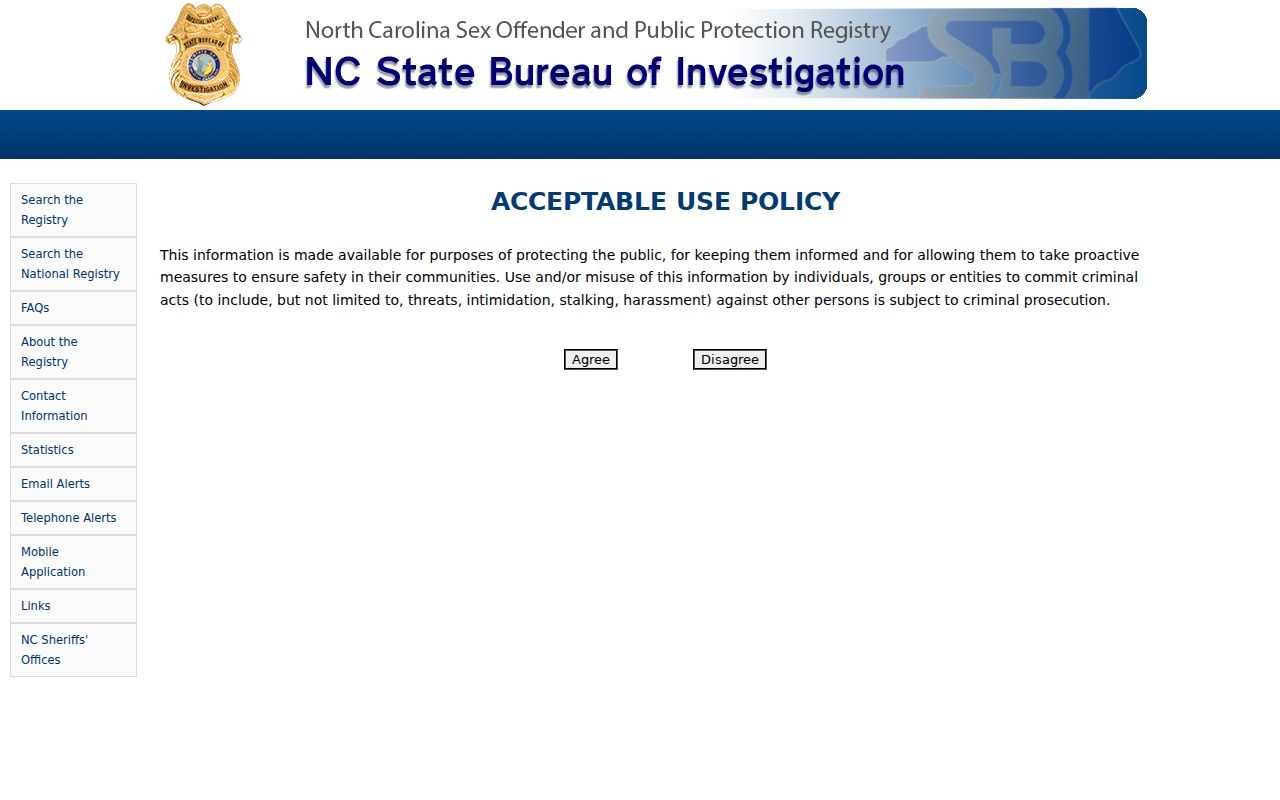
This image records interface controls, not a private person's profile. Street names and municipal mailing labels can cross local boundaries, so use the map result and full registered location rather than relying on a city name alone.
North Carolina Sex Offender and Public Protection Registry Searches
The North Carolina Sex Offender and Public Protection Registry has several distinct entry points. Accept the conditions of use before opening a search. Then select the route that fits the information already known. A name route can be narrowed by city or ZIP code. An address route looks nearby, while latitude and longitude provide a coordinate-based option. A Sex Registration Number is the most direct route when that official identifier is known.
- Open the official registry and read the acceptable-use terms. Select Agree to continue.
- Choose nearby-address, offender, coordinate, or registration-number search based on the facts available.
- Enter the required field and add only useful location details. Avoid guessing at a person's identity.
- Review the public result, status, and registration details, then verify a concern with the maintaining office.
| Route or Field | Type | Required | How It Works |
|---|---|---|---|
| Acceptable Use | Agree/Disagree buttons | Yes | Controls entry to public search |
| Nearby Address | Geographic search | Address | Uses the radius choices shown in the portal |
| Offender Search | Name, city, ZIP | One search basis | Location details narrow a name query |
| Latitude/Longitude | Coordinates | Both coordinates | Alternative geographic route |
| Sex Registration Number | Identifier | Number | Direct record route |
Statistics and email alerts are separate navigation choices. They do not replace the main search, and an alert is not a court record. For the criminal case behind a registration-triggering conviction, use the Buncombe County Court Case Lookup.
Buncombe County Registry Snapshot
The state statistics interface displayed 422 for Buncombe County during the research review. That number is a snapshot. NCSBI describes it as approximate and excludes pending status, so it should not be used as a permanent total or a precise measure of risk. People move, registration status changes, and verification data can be updated after the figure is displayed.
The registry statistics interface is the right place to obtain the current Buncombe County figure.
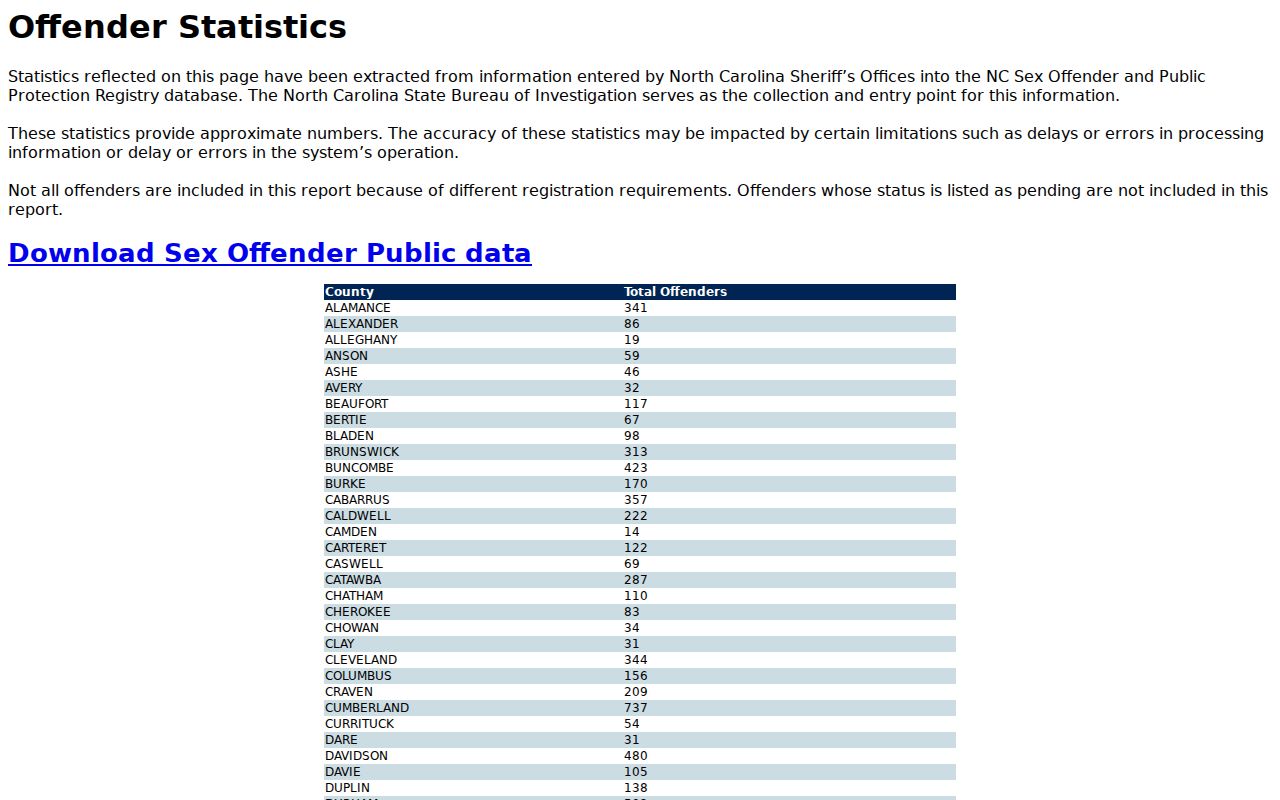
The county count gives scale, but it does not show where each listing falls within Buncombe County or whether a record is pending. Use it as context, then run the search that fits the specific address or name.
Registry Profiles: What They Show
North Carolina General Statute 14-208.10 defines the public information that may appear. The profile is an identification and registration record, not a full investigative file. It may contain the listed person's name, sex, address, physical description, photograph, conviction date, registration-triggering offense, sentence, and current registration status. Legal name changes and aliases are cross-referenced under G.S. 14-208.14.
| Name and Aliases | Public identity fields and cross-referenced legal names or aliases |
|---|---|
| Photograph and Description | Public image and physical traits used for identification |
| Registered Address | The address currently published through the registration process |
| Conviction Information | Conviction date, registration-triggering offense, and sentence |
| Program and Status | Registration category and the status made public by law |
| Not Public | Victim identity and medical or treatment information |
No private profile was collected for this project. Victim identity and medical or treatment details remain outside the public fields. A searcher should never infer those facts from an offense label. When identity appears uncertain, compare the lawful public identifiers and seek official help rather than spreading a possible mismatch.
Buncombe County Registry Address Alerts
NCSBI offers an address-based notification signup. Enter the requested location through the official North Carolina registry alert service and follow the service's live prompts. Schools and day cares also have statutory proximity-notice channels, while VINELink provides telephone status notice. These tools serve different aims. A registry alert concerns public registration data; a custody notice concerns status in a participating justice system.
The North Carolina registry home page keeps search, statistics, and alerts within the same state system.
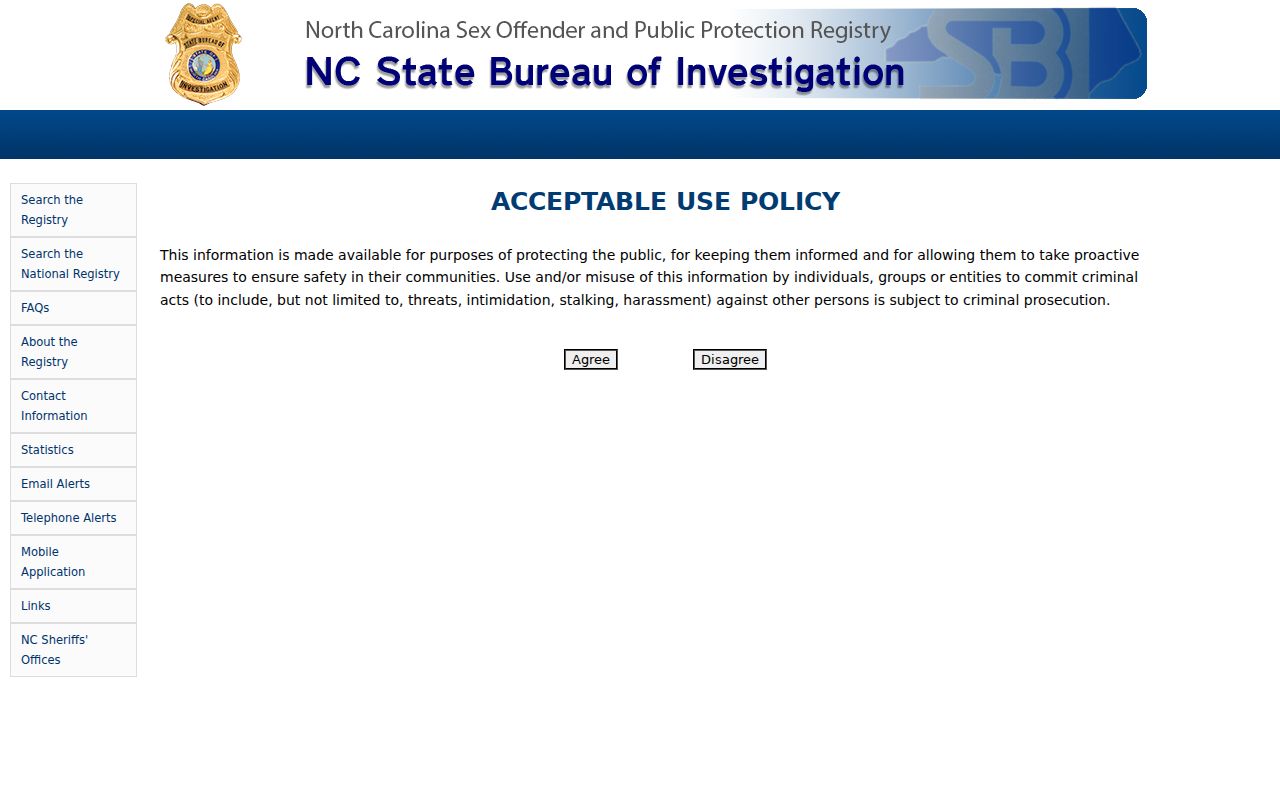
The home screen is a useful checkpoint when an old saved link fails. Confirm that the page is on the NCSBI domain before entering an address or relying on a notification option.
Registration Levels and Duties in North Carolina
North Carolina does not publish its system as a simple federal Tier I, II, and III chart. State law instead uses an ordinary Sex Offender and Public Protection Registration Program plus heightened lifetime categories for recidivists, aggravated offenses, and people whom a court determines are sexually violent predators. That distinction matters when reading the length of registration and the verification cycle.
| North Carolina Program | Duration | Verification and Public Effect |
|---|---|---|
| Ordinary registration | 30 years, with a possible Superior Court petition after 10 years | Semiannual verification and public statutory fields |
| Recidivist, aggravated offense, or sexually violent predator program | Lifetime | Verification every 90 days and public statutory fields |
For ordinary registration, the sheriff sends a nonforwardable verification form twice each year. It must be returned in person within three business days after receipt. Heightened categories verify every 90 days. A possible petition after ten years is not automatic removal. Superior Court reviews a qualifying request under the statute.
The North Carolina registration law in Article 27A supplies the controlling duties and durations.
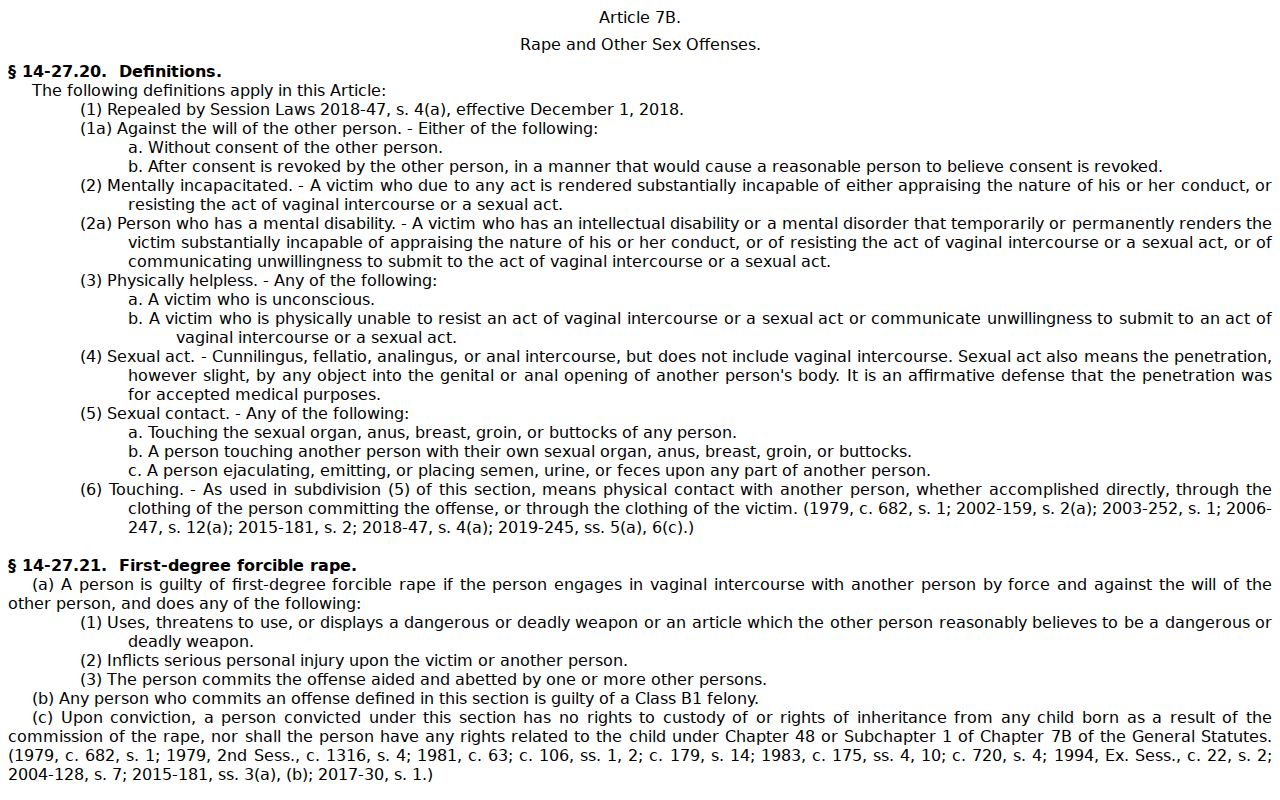
The statute is the source to consult when a portal label and a legal duty seem to differ. Registry screens summarize data, while the enacted law controls.
Cross-State Sex Offender Checks From Buncombe
A North Carolina search stops at the state's registry boundary. That can matter near a state line, after a move, or when the available address history spans several states. The U.S. Department of Justice's National Sex Offender Public Website, known as NSOPW, sends one query across participating jurisdictions. It is a second layer, not a substitute for careful review of the North Carolina result.
The National Sex Offender Public Website provides the official cross-state search route.
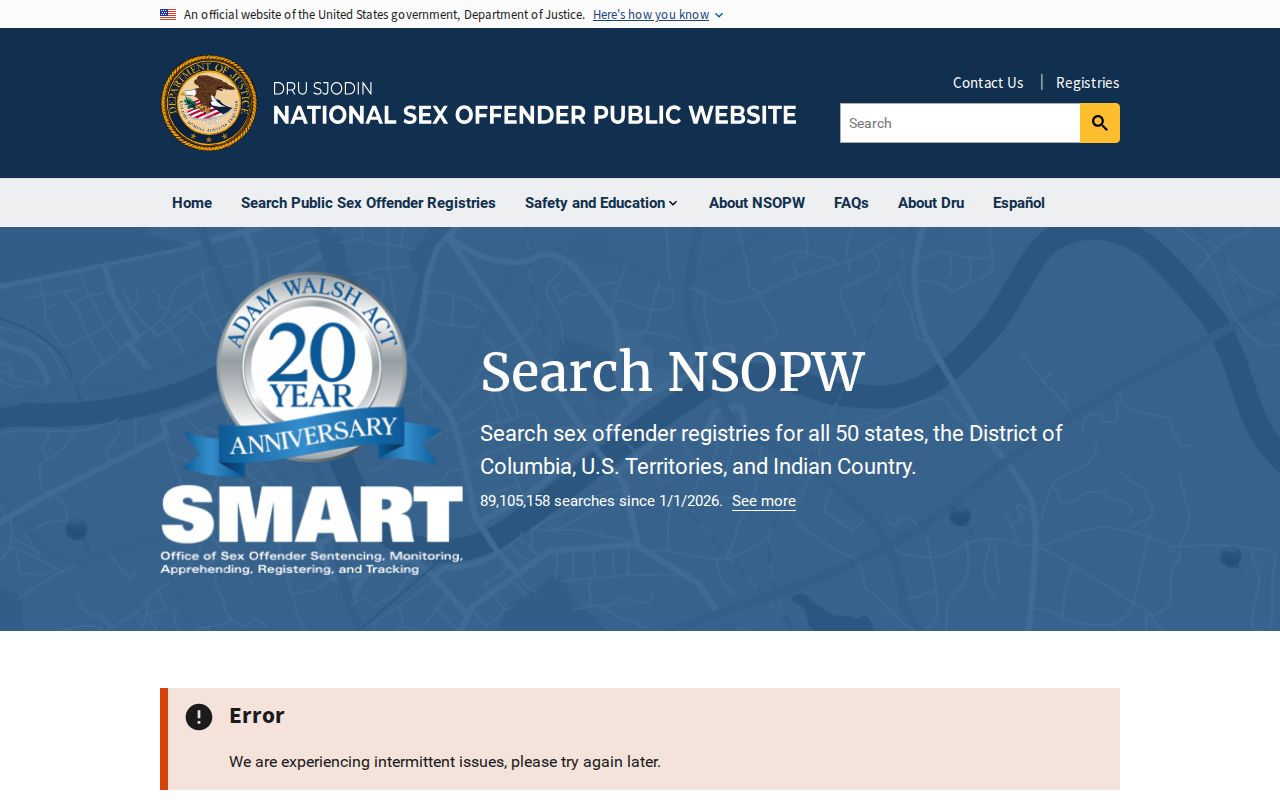
After a national result points back to North Carolina, return to the NCSBI profile for state fields and local status. Verify a Buncombe County concern with the sheriff rather than using a third-party people-search service.
Correcting Buncombe County Registry Concerns
If an address appears wrong or a listing suggests noncompliance, save the official result and note what seems inconsistent. Do not confront the listed person or household. Buncombe County Sheriff's Office administration is at 60 Court Plaza in Asheville, and its main number is 828-250-4503. Records can be reached at 828-250-4456. The research did not confirm a distinct walk-in registration counter or appointment rule, so call Records before making a trip.
Buncombe County Sheriff's Office
60 Court Plaza
Asheville, NC 28801
828-250-4503
Records: 828-250-4456
Call first for the current registration-counter location and visit instructions.
Explain whether the concern is a location mismatch, an apparent status issue, or a technical error. Supply the public registry link or registration number if available. The sheriff can assess local compliance facts, while NCSBI controls publication of the statewide record.
Using Registry Information Lawfully
Registry information exists for public awareness and safety planning. Use it to understand a neighborhood result, plan a family conversation, or decide which official office should receive a concern. It does not authorize threats, surveillance, public shaming, or direct action against a listed person or anyone in that household. An entry also does not reveal private victim or treatment details.
Use the registry lawfully: The portal warns that threats, intimidation, stalking, or harassment based on registry data may be criminally prosecuted. G.S. 14-208.11A also makes specified intentional help in evading registration or arrest a Class H felony.
Keep the response tied to the official system. Report a possible error to the Buncombe County sheriff or NCSBI. Call emergency services only for an immediate threat. For routine concerns, preserve the public result, avoid sharing unsupported claims, and let the responsible agency determine the next step. A careful official report protects public safety without turning an uncertain screen result into rumor. It also gives the office the exact page and facts needed to review the concern.